 EN
Choosing the right electric motor for your application is crucial for performance and efficiency. While off-the-shelf solutions may seem convenient, a custom electric motor is often the better choice. This article explores why your product needs a custom electric motor, not an off-the-shelf solution, addressing key concerns such as performance, application fit, cost factors, and common issues with generic motors. By the end, you'll have a clearer understanding of how to make an informed decision.
Why Custom Electric Motors Offer Superior Performance for Your Projects?
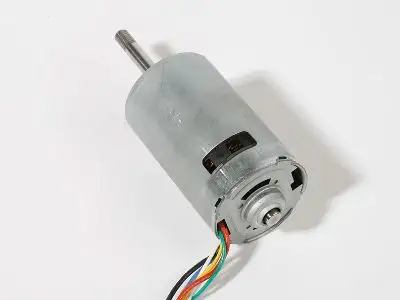
Custom electric motors, like brushless DC (BLDC) and permanent magnet DC motors, are designed to meet specific application requirements. Unlike off-the-shelf motors, which are built for a broad range of uses, custom motors can be tailored to optimize performance, efficiency, and durability based on your unique needs.
For instance, a custom motor can be engineered to operate efficiently under specific load conditions, temperature ranges, or environmental factors, such as humidity or exposure to chemicals. This level of customization ensures that the motor not only fits within your design parameters but also functions optimally in real-world applications, leading to improved performance in devices such as home appliances, medical devices, and smart home systems.
Moreover, when working with a manufacturer like CDM, which focuses on the development and production of energy-efficientsmall electric motor, you can leverage their expertise to ensure your motor meets global energy-saving and low-carbon policies. This not only enhances the sustainability of your product but can also provide a competitive edge in markets increasingly focused on eco-friendly solutions.
How to Choose the Right Custom Electric Motor for Your Application?
Selecting the right custom electric motor involves several critical considerations. First, clearly define the application requirements, including load capacity, speed, torque, and efficiency standards. Next, evaluate the operating environment—consider factors such as temperature, humidity, and potential exposure to chemicals.
In addition to defining specifications, consider the materials used in motor construction. For instance, using high-grade materials can enhance durability and performance. It’s also vital to assess the motor's size and weight, ensuring that it fits seamlessly into your product design without compromising functionality.
Lastly, collaborate with your manufacturer to discuss customization capabilities. A reputable manufacturer will provide insights into available options and help you understand the trade-offs between different configurations. For example, you may need to choose between different winding techniques or magnet types, which can significantly affect performance and cost.
Cost Factors to Consider When Opting for Custom vs. Off-the-Shelf Motors
When evaluating costs, it's essential to consider both initial and long-term expenses. Custom variable speed electric motor typically require a higher upfront investment than off-the-shelf solutions due to the design and manufacturing processes involved. However, this cost should be weighed against the potential for improved efficiency and reduced operational costs over time.
For example, a custom motor designed to operate at optimal efficiency in your specific application may lead to significant energy savings. Additionally, custom motors can result in lower maintenance costs and longer lifespans, as they are engineered to withstand the unique demands of their applications.
Don't overlook the potential costs of downtime or inefficiency caused by using an unsuitable off-the-shelf motor. If a generic motor fails to perform adequately or requires frequent maintenance, the long-term costs can quickly outweigh the initial savings.
Common Problems with Off-the-Shelf Motors and Their Solutions
Off-the-shelf electric motors often come with a host of challenges. One frequent issue is mismatched specifications, which can lead to inadequate performance. For example, a motor may not provide the necessary torque or speed for your application, resulting in failure or suboptimal operation.
Another common problem involves compatibility with existing systems. Off-the-shelf motors may not integrate seamlessly with your product, leading to installation challenges and increased costs. This can be particularly problematic in tightly engineered systems, where dimensions and performance characteristics are critical.
Custom electric motors mitigate these problems by ensuring that every aspect from dimensions and mounting options to electrical characteristics is tailored to your application. By collaborating with a manufacturer, you can address these issues upfront, reducing the risk of complications during production and ensuring reliable operation.
What You Need to Know?
When considering a custom electric motor, it's crucial to gather all relevant information to facilitate a smooth purchasing process. Start by documenting your application requirements, including technical specifications and performance expectations. Additionally, provide details about the operating environment, such as temperature extremes and potential exposure to corrosive substances.
Before placing an order, request samples and conduct thorough testing to verify performance against your specifications. It's also wise to establish clear communication with your manufacturer regarding lead times, production capacity, and any customization options available.
Finally, ensure that the manufacturer adheres to relevant certifications, such as ISO9001 and IATF16949, which can provide assurances regarding quality control processes and production standards. By taking these steps, you'll be better equipped to make informed decisions and secure a custom electric motor that meets your operational needs.