 EN
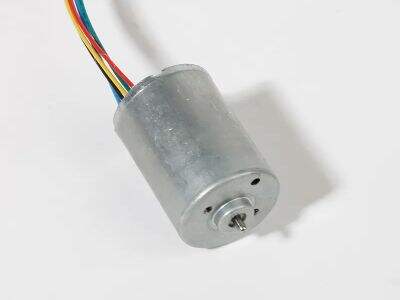
The future of urban mobility is rapidly evolving, and a critical component driving this change is the high-efficiency hub motor. These motors are designed to enhance energy efficiency and reduce carbon footprints, addressing the growing demand for sustainable transportation solutions. B2B buyers, including purchasing managers and engineers, seek reliable, high-performance hub motors that meet stringent quality and efficiency standards. This article will explore key specifications, sourcing options, pricing considerations, and the advantages of brushless DC motors, ensuring that potential buyers are well-informed in their decision-making process.
Key Specifications to Consider for High-Efficiency Hub Motors
When selecting a high-efficiency hub motor, several key specifications should be considered to ensure compatibility with your application.
-
Power Output: The motor's power output, typically measured in watts, determines its ability to propel the vehicle. Buyers must evaluate their specific needs based on the vehicle type and intended use.
-
Efficiency Rating: Efficiency is crucial, especially for urban mobility applications where battery life can significantly affect performance. High-efficiency bldc hub motor can achieve efficiency ratings above 90%, translating to longer ranges and reduced energy costs.
-
Torque: Torque is essential for acceleration and hill-climbing capabilities. Understanding the required torque for your application will ensure the motor can perform adequately in real-world conditions.
-
Size and Weight: The motor's dimensions and weight can impact the design and performance of the vehicle. Buyers should consider the space available and how the motor's weight affects the overall vehicle dynamics.
-
Cooling Mechanisms: Effective thermal management is vital for maintaining performance and longevity. Buyers should inquire about the cooling solutions integrated into the motor design, such as air or liquid cooling systems.
-
Durability and Environmental Resistance: Hub motors should be designed to withstand various environmental conditions. Look for specifications regarding moisture, dust, and temperature resistance to ensure reliability in urban settings.
Understanding these specifications helps buyers select the right hub bldc motor that aligns with both technical requirements and operational goals.
Where to Source Reliable Suppliers for Hub Motors in Bulk?
Sourcing high-quality hub motors in bulk requires careful consideration of suppliers. Here are some effective strategies:
-
Industry Trade Shows: Attending trade shows focused on automotive or mobility solutions is an excellent way to meet manufacturers and suppliers face-to-face. This allows buyers to assess product quality firsthand and discuss customization options directly.
-
Online Marketplaces and B2B Platforms: Websites like Alibaba or ThomasNet can connect buyers with various suppliers. It’s essential to conduct thorough due diligence by reviewing supplier ratings, certifications, and customer feedback.
-
Direct Manufacturer Engagement: Engaging directly with manufacturers like CDM can yield benefits such as better pricing, customized solutions, and direct communication regarding product specifications and lead times. Look for manufacturers with ISO certifications, as this indicates adherence to quality management standards.
-
Networking within Industry Associations: Joining industry associations can provide valuable insights and referrals to reputable suppliers. Networking with peers can also lead to recommendations based on previous experiences.
By effectively leveraging these sourcing strategies, buyers can find reliable suppliers that meet their quality and performance standards.
Understanding Pricing for High-Efficiency Hub Motors
Pricing for high-efficiency hub motors can vary based on several factors:
-
Material Costs: The materials used in the motor's construction, such as high-grade magnets and durable casings, significantly influence the price. Buyers should consider the balance between cost and performance, as lower material quality may lead to reduced efficiency or lifespan.
-
Customization Needs: Customization, such as specific power outputs or dimensions, can increase costs. It's advisable for buyers to clearly define their requirements upfront to receive accurate quotations.
-
Order Volume: Bulk orders often come with discounts. Establishing a long-term relationship with a supplier can also lead to better pricing structures over time.
-
Market Demand and Supply Chain Factors: Economic conditions, supply chain disruptions, and demand fluctuations can affect pricing. Staying informed about market trends can help buyers make timely purchasing decisions.
-
Shipping and Handling Costs: These costs can add significantly to the overall price of the motors. Buyers should inquire about shipping options and potential fees when requesting quotes.
Understanding these pricing factors enables buyers to budget effectively while ensuring they receive quality hub dc bldc motor tailored to their specifications.
Hub Motors vs. Traditional Motor Options
When comparing hub motors to traditional motor configurations, several distinctions emerge that can influence purchasing decisions:
-
Integration: Hub motors are integrated directly into the wheel hub, eliminating the need for complex drivetrains found in traditional setups. This results in a more compact design and can reduce weight, enhancing vehicle efficiency.
-
Maintenance: Hub motors typically require less maintenance than traditional motors. With fewer moving parts and a sealed design, the likelihood of mechanical failure decreases, resulting in lower long-term costs for buyers.
-
Performance: High-efficiency hub motors provide immediate torque delivery, enhancing acceleration and responsiveness compared to traditional motors, which may experience lag due to drivetrain losses.
-
Space Utilization: The compact nature of hub motors allows for more flexible vehicle designs, potentially enabling additional features or improved ergonomics in urban mobility solutions.
-
Cost Considerations: Although hub motors may have a higher initial purchase price, their efficiency and lower maintenance needs can lead to cost savings over the vehicle's lifespan.
By weighing these differences, buyers can determine which motor type aligns best with their performance expectations and overall project goals.
Advantages of Using Brushless DC Motors in Mobility
Brushless DC (BLDC) motors are increasingly favored in urban mobility applications due to their unique advantages:
-
Higher Efficiency: BLDC motors typically offer higher energy efficiency than brushed counterparts. This efficiency translates into longer operational periods per charge, which is crucial for electric vehicles and other mobility solutions.
-
Longevity: With no brushes to wear out, BLDC motors generally have a longer operational lifespan. This longevity can reduce downtime and maintenance costs for businesses relying on these motors.
-
Superior Control: BLDC motors provide better speed and torque control, allowing for smoother acceleration and deceleration. This capability is particularly beneficial in urban environments where stop-and-go traffic is common.
-
Reduced Noise and Vibration: The absence of brushes also results in quieter operation, an essential factor for urban mobility solutions aiming to reduce noise pollution.
-
Compact and Lightweight Design: The design of BLDC motors allows for smaller and lighter configurations, which can enhance the overall efficiency and design of electric vehicles.
By adopting brushless DC motors, buyers can leverage these advantages to enhance the performance and appeal of their mobility solutions, aligning with modern sustainability goals.
In summary, the high-efficiency hub motor is pivotal in shaping the future of urban mobility. By understanding key specifications, sourcing strategies, pricing dynamics, and the advantages of brushless DC technology, B2B buyers can make informed purchasing decisions that align with their operational needs and sustainability objectives.