 EN
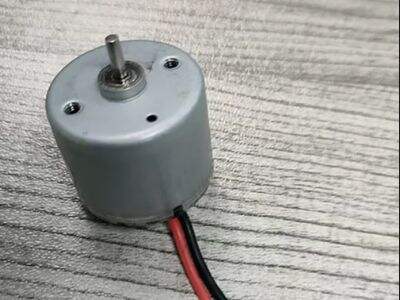
The precision engineering behind a consistent hair clipper motor is crucial for ensuring performance, longevity, and user satisfaction. Buyers looking to purchase hair clipper motors often have concerns regarding reliability, efficiency, and compatibility with their products. This article will provide insights into selecting the right suppliers, sourcing high-performance solutions, considerations for bulk orders, troubleshooting common issues, and installation guidance for precision hair clipper motor systems.
How to Choose Reliable Suppliers for Hair Clipper Motors?
When selecting a supplier for hair clipper motors, it is essential to evaluate their manufacturing capabilities and adherence to quality standards. Look for suppliers that provide brushless DC (BLDC) motors, as these are known for their energy efficiency and eco-friendliness. Verify that the supplier holds relevant certifications, such as ISO9001 and ISO14001, which indicate a commitment to quality management and environmental responsibility.
Additionally, assess their experience in supplying motors to similar applications, particularly in the personal care sector. A supplier with a proven track record, such as CDM, which serves notable clients like Xiaomi and Midea, can offer peace of mind regarding the reliability and performance of their products. Requesting samples before placing a bulk order can also help ensure that the brushless motor for hair clipper meets your specific requirements.
Where to Source High-Performance Hair Clipper Motor Solutions?
High-performance hair clipper motors are typically sourced from manufacturers specializing in BLDC and permanent magnet DC motors. These motors are characterized by their compact design, low energy consumption, and minimal maintenance requirements. When evaluating potential sources, consider the following:
-
Technical Specifications: Ensure that the motor meets the required RPM, torque, and noise level specifications for your brushless clipper motor design. Understanding the motor's performance parameters can help you assess whether it aligns with your product's needs.
-
Customization Options: Many manufacturers offer customization capabilities, such as modifications to dimensions, power ratings, or connector types. This flexibility can be crucial for ensuring compatibility with your specific design.
-
Material Quality: The materials used in the motor's construction can significantly affect its durability and performance. Look for suppliers that utilize high-quality magnets and durable housing materials to enhance longevity.
-
Lead Time and Minimum Order Quantity (MOQ): Understand the lead times for production and whether the supplier can accommodate your order size. Suppliers like CDM may offer competitive production capacities that can meet large-scale demands.
Bulk Order Considerations for Hair Clipper Motors
When placing bulk orders for hair clipper motors, several factors should be considered to ensure a smooth purchasing process:
-
Pricing Structure: Inquire about volume discounts, as many manufacturers offer reduced rates for larger orders. Understanding the cost breakdown can assist in budgeting effectively.
-
Quality Assurance: Confirm the supplier's quality control processes. This includes testing and inspection protocols to ensure that each batch of motors meets the established specifications. A reliable supplier should provide documentation of quality checks.
-
Shipping and Packaging: Discuss packaging methods to ensure that motors are protected during transport. Proper packaging can prevent damage and reduce returns due to shipping-related issues. Additionally, confirm shipping timelines to align with your production schedule.
-
Sample Approval: Before mass production, request samples from the supplier to validate performance and compatibility. Testing samples under real-world conditions can help identify any potential issues before they arise.
Common Problems with Hair Clipper Motors and Their Solutions
Despite advancements in motor technology, issues can still arise. Here are some common problems associated with hair clipper motors and their potential solutions:
-
Overheating: If the motor overheats during operation, it may indicate inadequate ventilation or excessive load. Ensure that the motor is appropriately rated for the application and that the design allows for adequate airflow.
-
Noise Issues: Unusual noise can result from loose components or imbalanced rotors. Regular maintenance and inspection of motor components can help identify and rectify these issues before they escalate.
-
Power Supply Compatibility: Incompatibility with power supply specifications can lead to poor performance. Verify the voltage and current requirements of the motor and ensure they align with your device's power supply.
-
Durability Concerns: Motors subject to wear and tear may require periodic inspection. Choosing high-quality materials and ensuring proper sealing against moisture and dust can enhance durability and performance.
Installation Guidance for Precision Hair Clipper Motor Systems
Proper installation of hair clipper motors is essential to ensure optimal performance and longevity. Here are key considerations for successful installation:
-
Alignment: Ensure that the motor is aligned correctly within the housing to prevent undue stress on the components. Misalignment can lead to increased wear and reduced efficiency.
-
Mounting: Use appropriate mounting techniques to secure the motor in place. Vibration dampening mounts may be beneficial in reducing noise and prolonging motor life.
-
Electrical Connections: Follow the manufacturer's guidelines for electrical connections. Proper wiring and secure connections are vital to prevent electrical faults that could damage the motor.
-
Testing Post-Installation: After installation, conduct thorough testing to verify that the motor operates within the specified parameters. This can include testing for speed, torque, and noise levels to ensure that the installation was successful.
In summary, understanding the precision engineering behind a consistent hair clipper motor is essential for B2B buyers looking to make informed purchasing decisions. By considering supplier reliability, sourcing high-performance solutions, addressing bulk order nuances, troubleshooting common issues, and following proper installation practices, you can ensure optimal performance and satisfaction with your hair clipper motor systems.