 EN

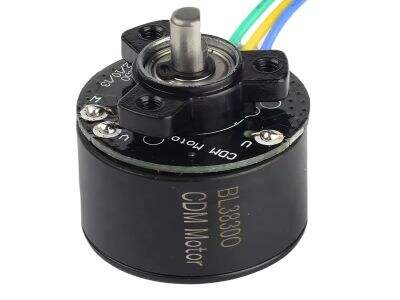
As technology advances, the demand for efficient and compact power solutions has surged, particularly in the realm of wearable tech. A reliable mini motor plays a crucial role in powering these devices, ensuring they meet performance expectations while adhering to energy-saving and eco-friendly standards. This article will explore the essential aspects of sourcing mini motors wholesale, addressing common buyer concerns, specifications to consider, and providing practical guidance for installation and supplier selection.
Key Specifications to Consider When Sourcing Mini Motors Wholesale
When sourcing mini motors for wearable technology, several key specifications must be considered to ensure optimal performance and compatibility.
-
Motor Type: Brushless DC (BLDC) motors are increasingly favored due to their efficiency and longevity. They operate without brushes, reducing wear and maintenance needs, making them ideal for wearable applications.
-
Size and Weight: Mini motors must be compact and lightweight, as wearable devices often require small form factors. Assess the dimensions and weight limits to ensure they fit seamlessly into the design.
-
Voltage and Speed Ratings: The voltage rating impacts the motor's power consumption and performance. Ensure the motor's speed and torque specifications align with the device's operational requirements.
-
Efficiency Ratings: Look for motors that meet global energy-saving standards. This is vital in markets focused on low-carbon solutions, as high-efficiency motors can significantly extend battery life in wearable devices.
-
Durability and Environmental Resistance: Consider operating conditions, such as temperature and humidity levels. The motor's materials and construction should withstand these conditions to ensure longevity.
-
Customization Options: Depending on the specific application, you may require customized features such as shaft length, gear ratios, or housing materials. Confirm the supplier's capabilities in this area.
By carefully evaluating these specifications, buyers can select mini motor that not only power wearable tech effectively but also contribute to overall device efficiency and user satisfaction.
What Buyers Need to Know?
Understanding the nuances of mini motors is essential for making informed purchasing decisions. Here are some critical points buyers should consider:
-
Application Suitability: Different wearable devices, such as fitness trackers, smart watches, and medical monitors, have unique power requirements. Ensure the motor selected is compatible with the device’s intended use.
-
Quality Assurance: Look for suppliers with ISO certifications, such as ISO9001 and ISO14001. These certifications indicate a commitment to quality management and environmental standards, which are crucial for maintaining product reliability.
-
Supplier Reputation: Research potential suppliers by reviewing customer feedback and case studies. Established manufacturers often provide insights into their production capabilities and past projects, which can guide your decision-making process.
-
Lead Times and MOQs: Confirm the minimum order quantities (MOQs) and expected lead times for production. Understanding these factors can help you plan your inventory and avoid delays in your product launch.
-
Sample Testing: Request samples for evaluation before committing to a bulk order. Testing samples under real operational conditions will help identify any potential issues, such as noise levels or performance inconsistencies.
By focusing on these key areas, buyers can mitigate risks associated with product quality and supplier reliability, ensuring a smoother procurement process.
Where to Find Reliable Suppliers for Mini Motors in Bulk?
Finding trustworthy suppliers for mini motors requires a strategic approach. Here are some effective methods:
-
Industry Trade Shows and Expos: Attending trade shows related to electronics and manufacturing provides an opportunity to meet suppliers face-to-face, evaluate their products, and discuss specific needs. This direct interaction can also help build lasting business relationships.
-
Online Marketplaces and Directories: Websites such as Alibaba, ThomasNet, and Maker's Row can help connect you with numerous manufacturers. Look for suppliers with solid reviews and a proven track record in producing high speed mini motor for wearable technology.
-
Professional Networks and Associations: Engaging with industry associations and professional networks can lead to referrals for reputable suppliers. Peers in the field often have firsthand experience and can provide valuable recommendations.
-
Supplier Audits: Before finalizing a supplier, conduct audits to assess their manufacturing processes, quality control measures, and overall capabilities. A thorough evaluation can help ensure that the supplier meets your standards and expectations.
By utilizing these approaches, buyers can identify and establish relationships with reliable suppliers, facilitating successful procurement of mini motors.
Cost Factors to Consider When Purchasing Mini Motors Wholesale
Understanding the cost structure of mini motors is crucial for budgeting and financial planning. Here are key cost factors to consider:
-
Material Costs: The choice of materials significantly affects the price. For example, motors with high-quality magnets or advanced composites may have a higher upfront cost but offer better performance and longevity.
-
Customization Fees: If specific modifications are required, be prepared for additional costs. Customization can include tailored designs, unique specifications, or special packaging that aligns with your brand identity.
-
Volume Discounts: Many suppliers offer tiered pricing based on order quantity. Higher volumes often lead to lower per-unit costs, making it beneficial for buyers to plan their orders strategically.
-
Shipping and Handling: Factor in shipping costs, particularly for international orders. This includes customs duties, taxes, and potential delays that can impact overall expenses.
-
Quality Assurance Costs: Investing in quality inspections and testing can incur additional costs but can save money in the long run by preventing defective products from reaching the market.
By considering these cost factors, buyers can make informed decisions that align with their budget while ensuring they source high-quality mini motors.
Installation Guidance for Mini Motors in Wearable Tech Devices
Proper installation of mini motors in wearable tech is critical to ensure optimal performance and durability. Here are some installation tips:
-
Compatibility Checks: Before installation, ensure that the motor's specifications align with the device's design and functional requirements. This includes verifying shaft dimensions, mounting options, and electrical connections.
-
Precision Alignment: Accurate alignment of the motor with other components is essential to prevent wear and ensure efficient operation. Misalignment can lead to increased friction and reduced performance.
-
Secure Mounting: Utilize appropriate mounting methods, such as brackets or adhesive, to secure the motor in place. Ensure that the mounting solution does not add unnecessary weight or bulk to the wearable device.
-
Electrical Connections: Follow proper wiring diagrams and connection procedures to ensure safe and effective power delivery. Avoid exposing connections to moisture or potential damage during installation.
-
Testing After Installation: Once installed, conduct thorough testing to evaluate the motor's performance under expected conditions. Check for vibrations, noise, and heat generation, as these factors can indicate potential issues.
By adhering to these installation guidelines, manufacturers can enhance the reliability and functionality of wearable tech powered by high torque mini motor, ultimately leading to better user experiences.