 EN
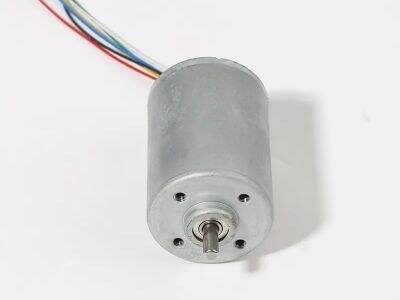
Direct-drive wheel motors represent a significant advancement in electric motor technology, particularly in applications that require high efficiency and low maintenance. These dc motor eliminate the need for gears, chains, or belts, providing a more compact and efficient solution. As B2B buyers, understanding the benefits and specifications of direct-drive wheel motors is essential for making informed purchasing decisions. This article will delve into the advantages of this technology, key specifications to consider, quality evaluation methods, cost factors, and the diverse applications of direct-drive wheel motors across various industries.
Understanding the Benefits of Direct-Drive Wheel Motor Technology
Direct-drive wheel motors offer several compelling advantages over traditional motor systems. One of the primary benefits is their efficiency. By eliminating mechanical losses associated with gears and other transmission systems, these dc electric motors can convert a higher percentage of electrical energy into usable mechanical energy. This efficiency not only translates to lower operational costs but also aligns with global energy-saving and eco-friendly initiatives.
Moreover, direct-drive motors tend to have a longer lifespan and require less maintenance. With fewer moving parts and no gear wear, they reduce the likelihood of mechanical failure, which is crucial for applications in demanding environments like robotics and electric vehicles. Additionally, their compact design allows for more flexibility in product design and integration, making them suitable for a variety of applications, from home appliances to industrial equipment.
Key Specifications to Consider for Direct-Drive Wheel Motors
When evaluating direct-drive wheel motors, several key specifications should be considered to ensure the selected motor meets the intended application requirements.
-
Torque and Power Ratings: These specifications determine the motor's ability to handle specific loads. Torque is crucial for applications that require high starting power, while power ratings affect overall performance.
-
Speed Range: The operational speed of the motor should align with the application needs. A motor that operates efficiently at the required speed range can optimize performance and energy consumption.
-
Voltage and Current Requirements: Understanding the electrical specifications is vital for compatibility with existing systems and ensuring optimal performance.
-
Thermal Management: The ability of the motor to dissipate heat affects its performance and longevity. The rs 775 dc motor is designed with efficient thermal management systems can operate in higher temperature environments without compromising reliability.
-
Dimensions and Weight: The physical size and weight of the motor are critical, especially in applications where space is limited or weight is a concern, such as in electric vehicles and portable devices.
Evaluating the Quality of Direct-Drive Wheel Motors for Wholesale
Quality evaluation is paramount when sourcing direct-drive wheel motors for wholesale. A few practical steps can guide buyers in assessing quality standards:
-
Certifications: Ensure that the motors comply with relevant industry standards and certifications, such as ISO9001 or IATF16949. These certifications indicate adherence to quality management systems and manufacturing processes.
-
Material Selection: The materials used in the motor construction can significantly impact performance and durability. High-grade materials typically lead to better reliability and longevity.
-
Manufacturing Processes: Understanding the manufacturing capabilities of the supplier, including their quality control processes, can provide insights into the consistency and reliability of the products.
-
Sample Testing: Before placing a bulk order, requesting samples for testing under actual operating conditions is advisable. This helps verify that the motor meets performance expectations and application requirements.
-
Warranty and Support: A robust warranty and responsive customer support can be indicators of quality. Suppliers that stand behind their products are more likely to deliver reliable solutions.
Cost Factors to Consider When Sourcing Direct-Drive Wheel Motors
Several cost factors should be taken into account when sourcing direct-drive wheel motors to ensure a comprehensive understanding of total costs:
-
Unit Price vs. Total Cost of Ownership: While the initial unit price is a crucial factor, it is also essential to consider the total cost of ownership. This includes maintenance, energy consumption, and expected lifespan, which can vary significantly between different motor technologies.
-
Customization Options: If your application requires specific modifications, be aware that customization may affect pricing. Discuss your needs with the supplier to understand potential cost implications.
-
Minimum Order Quantities (MOQ): Many manufacturers have MOQs that can impact initial investment. Understanding these thresholds can help in budgeting and inventory planning.
-
Shipping and Handling Costs: Depending on the supplier's location, shipping costs can vary. It’s essential to factor in these costs when evaluating overall pricing.
-
Lead Times: Longer lead times can lead to increased costs due to delays in production schedules. Confirming lead times during the sourcing process can help avoid unexpected expenses.
Applications of Direct-Drive Wheel Motors in Various Industries
Direct-drive wheel motors find applications across a diverse array of industries due to their versatility and efficiency.
-
Home Appliances: In consumer electronics, direct-drive motors are increasingly used in devices like washing machines and vacuum cleaners for their compact size and energy efficiency.
-
Smart Homes: As smart home technology continues to grow, direct-drive motors play a pivotal role in automated systems, offering precise control and integration with IoT devices.
-
Medical Devices: In medical applications, where reliability and precision are paramount, direct-drive motors enable the operation of equipment such as robotic surgical tools and mobility aids.
-
Robotics: Many robotic systems utilize direct-drive motors for their ability to provide smooth and accurate motion control, essential for tasks requiring precision.
-
New Energy Vehicles: With the rise of electric and hybrid vehicles, direct-drive motors are becoming a standard for propulsion systems, offering high efficiency and reduced maintenance needs.
Understanding the dynamics of direct-drive wheel motors is essential for B2B buyers looking to optimize their product offerings. By focusing on the benefits, specifications, quality evaluation, cost factors, and applications, buyers can make informed decisions that align with their operational needs and market demands.
Table of Contents
- Understanding the Benefits of Direct-Drive Wheel Motor Technology
- Key Specifications to Consider for Direct-Drive Wheel Motors
- Evaluating the Quality of Direct-Drive Wheel Motors for Wholesale
- Cost Factors to Consider When Sourcing Direct-Drive Wheel Motors
- Applications of Direct-Drive Wheel Motors in Various Industries