 EN
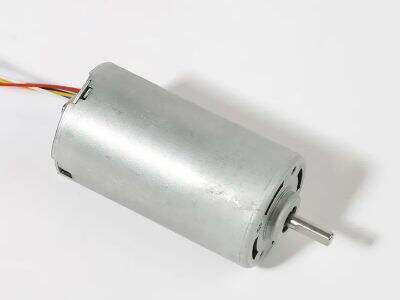
External rotor motors (ERM) present a unique solution for applications requiring high torque in compact environments. These motors feature a rotor that is positioned outside the stator, which helps maximize torque output while minimizing the overall size. For B2B buyers, this design aspect is crucial, particularly for industries where space is at a premium, such as in robotics, home appliances, and medical devices. This article will explore the torque advantages of external rotor motors, guide you on selecting the right motors for constrained spaces, and discuss common issues and their solutions, ensuring that you make informed purchasing decisions.
Understanding the Torque Advantage of External Rotor Motors
The primary advantage of external rotor motors lies in their ability to produce high torque at low speeds. This is particularly beneficial in applications where precision and efficiency are crucial. The design allows for a larger surface area of the rotor, which translates to higher torque generation. Additionally, the motor's configuration enhances the cooling efficiency, allowing it to operate under continuous load without overheating.
When assessing external rotor motors, buyers should pay close attention to specifications such as torque ratings, operating speeds, and efficiency ratings. For example, a dc motor with a high torque density will outperform traditional motors in small applications where space and weight are limiting factors. This efficiency not only makes external rotor motors ideal for compact device design but also for energy savings, aligning with global energy-saving policies.
How to Choose External Rotor Motors for Constrained Spaces?
Selecting the right external rotor motor involves understanding the specific application requirements. Start by considering the following factors:
-
Size and Weight Constraints: Measure available space and consider the weight limitations of your application. External rotor motors typically have a smaller footprint, but ensuring compatibility with existing designs is essential.
-
Torque and Speed Requirements: Determine the required torque and speed for your application. External rotor high torque dc motor can achieve high torque at low speeds, making them suitable for tasks like precise positioning in robotics.
-
Power Supply and Efficiency: Evaluate the power supply specifications, including voltage and current ratings. Efficiency is crucial for minimizing operational costs, so consider motors with high efficiency ratings that meet energy standards.
-
Customization Needs: In many cases, buyers may need motors tailored to specific applications. Work with manufacturers to discuss customization options, such as specific dimensions, gear reductions, or integrated control systems.
-
Quality Certifications: Ensure that the motors meet relevant industry standards and certifications, such as ISO9001 and IATF16949, which indicate a commitment to quality and reliability.
External Rotor Motors for Industrial Use
In industrial applications, external rotor motors are increasingly favored for their robustness and adaptability. They are commonly used in automation systems, conveyor belts, and material handling equipment. Their ability to maintain performance under demanding conditions, such as continuous operation or variable load, makes them a preferred choice for manufacturers.
When selecting external rotor motors for industrial use, consider their operational environment. Factors such as temperature fluctuations, exposure to dust or moisture, and vibration levels can impact electric motor performance. Additionally, assess the motor's durability and maintenance requirements, as this will affect long-term operational efficiency and costs.
Buyers should also take into account the integration of external rotor motors with existing systems. This includes compatibility with control systems and the need for additional components like encoders or gearboxes, which can enhance functionality and control.
Common Problems with External Rotor Motors and Their Solutions
While external rotor motors offer numerous advantages, they are not without potential challenges. Here are some common issues and their solutions:
-
Overheating: Although external rotor motors are designed for efficient cooling, improper installation or inadequate ventilation can lead to overheating. Ensure that the installation allows for sufficient airflow, and consider thermal management solutions if necessary.
-
Noise Levels: High noise levels can be a concern in certain applications. Using vibration dampeners or selecting motors with lower operational noise ratings can mitigate this issue.
-
Electrical Noise and Interference: External rotor motors can generate electrical noise, which may interfere with sensitive electronic equipment. Implementing proper shielding and grounding techniques can help reduce interference.
-
Mechanical Alignment Issues: Misalignment during installation can lead to increased wear and reduced efficiency. It's crucial to follow proper alignment procedures and use precision mounting hardware to ensure optimal performance.
-
Supply Chain Variability: As with any manufacturing component, the availability of external rotor motors can fluctuate. Establishing relationships with multiple suppliers can help ensure consistent access to high-quality motors.
Trustworthy Sources for External Rotor Motors
When sourcing external rotor motors, it is essential to work with reputable manufacturers who have proven expertise in the field. Look for companies that demonstrate a commitment to quality through certifications like ISO9001 and IATF16949, which ensure adherence to international quality management standards.
Additionally, consider manufacturers with a robust track record in the industry, such as CDM, which specializes in brushless DC motors. Their experience in producing high-efficiency motors for various applications including robotics, medical devices, and smart home technologies—can provide confidence in the quality and reliability of their products.
Before finalizing a supplier, request detailed product specifications, inquire about customization options, and review their quality control processes. This due diligence will help ensure that you select a motor that meets both your operational needs and quality expectations, ultimately leading to a successful implementation in your application.