 EN
EN

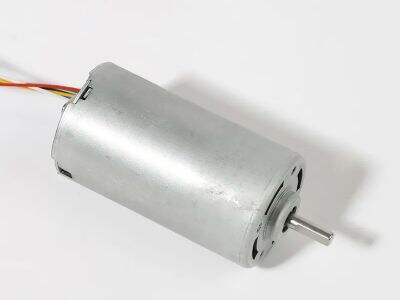
In compact, high-torque applications, a planetary gear motor is often the best solution, combining efficiency with space-saving design. These motors are essential for various industries, providing reliable performance where power and size constraints are critical. Understanding the nuances of planetary gear motors will help buyers address common concerns such as torque output, size compatibility, and sourcing high-quality components. This article aims to guide purchasing managers and engineers in evaluating, sourcing, and ensuring the quality of 16mm diameter gear motor for their specific applications.
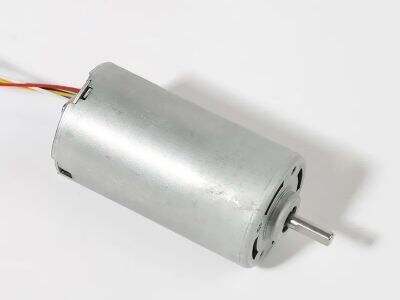
How to Evaluate Planetary Gear Motors for Compact Applications
When evaluating planetary gear motors for compact applications, several key specifications should be considered. First, assess the torque-to-weight ratio, as this is crucial for applications that require high torque in limited space. A compact design should not compromise the motor's efficiency; therefore, look for motors with high gear ratios that offer greater torque output without increasing size.
Next, consider the mounting dimensions and the motor's overall footprint. Ensure that the motor can be integrated seamlessly into the existing design or machinery. Compatibility with drive systems and other components is essential; therefore, verify the input shaft size and configuration.
It is also vital to examine the motor's thermal performance. In high-torque applications, heat generation can be significant, affecting efficiency and lifespan. Look for motors that can operate within your required temperature range and offer adequate thermal management solutions. Finally, don't overlook the importance of manufacturer documentation, including torque curves and performance data, which provide insights into the motor’s suitability for your specific application.
Where to Source Reliable Planetary Gear Motors for Bulk Orders
Sourcing planetary gear motors for bulk orders requires careful consideration to ensure reliability and quality. Start by identifying reputable manufacturers known for producing high-quality brushless DC motors and permanent magnet DC motors, like CDM. Checking certifications such as ISO9001 and IATF16949 can provide assurance of the manufacturer's commitment to quality management standards.
When sourcing, consider suppliers that offer comprehensive technical support, as this can be invaluable during the integration phase. Look for suppliers who can provide customization options tailored to your specifications, whether that includes specific gear ratios, output configurations, or additional features.
Additionally, assess the supplier’s production capacity and lead times. Understanding their ability to meet bulk orders without compromising quality is critical. Request samples to evaluate performance under actual operating conditions before committing to a larger order. This helps ensure that the motors will meet your operational requirements and minimize risks associated with mass production.
Quality Control Processes for Planetary Gear Motors Explained
Quality control (QC) is a vital aspect of manufacturing planetary gear motors. A robust QC process begins with the selection of high-quality raw materials, as the motor's performance heavily depends on material integrity. Manufacturers should conduct thorough inspections of incoming materials, including magnetic components and mechanical parts, to ensure they meet predefined specifications.
During the production phase, implementing in-process inspections can help identify defects early. This often includes dimensional checks, torque testing, and thermal performance assessments. Manufacturers like CDM often employ automated testing equipment, which can enhance consistency and accuracy in quality assurance.
Post-production, a final inspection is crucial before the motors are shipped. This typically involves functional tests that simulate real-world operating conditions, ensuring that each motor operates according to the specified performance metrics. Providing detailed QC documentation to buyers can enhance transparency and trust, reassuring them of the motor's reliability and performance.
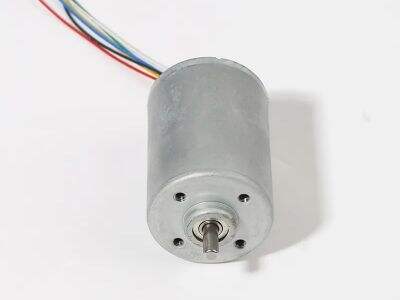
Cost Factors to Consider in Wholesale Planetary Gear Motor Purchases
When purchasing planetary gear motors in bulk, several cost factors should be taken into account. First, the initial purchase price is a significant consideration, but buyers should also evaluate the total cost of ownership, which includes maintenance and operational costs over the motor's lifespan. Selecting a motor with higher efficiency may have a higher upfront cost but can lead to savings in energy consumption over time.
Another critical factor is customization. Custom features may increase the overall price, so it’s important to balance the need for specific functionalities with budget constraints. Understanding your application's requirements can help avoid unnecessary costs associated with features that may not be needed.
Shipping costs and lead times are additional factors to consider, especially when sourcing from overseas manufacturers. Be sure to account for potential tariffs and shipping delays, which can impact overall project timelines and budgets. Lastly, establishing a strong relationship with your supplier may open opportunities for volume discounts or better payment terms, further optimizing your purchasing strategy.
Understanding Material Advantages of Planetary Gear Motors
The choice of materials in 24mm diameter gear motor plays a critical role in determining their performance and durability. Common materials include high-strength alloys for gears, which provide excellent wear resistance and longevity. These materials can withstand the high torque loads typically encountered in compact applications.
The housing material is equally important. Aluminum and high-grade plastics are frequently used for their lightweight properties, which contribute to the overall compact design of the motor. Additionally, ensuring that the selected materials exhibit good thermal conductivity can help manage the heat generated during operation.
Another consideration is the motor's insulation material, which affects its efficiency and operational lifespan. High-quality insulation can prevent overheating and insulation breakdown, enhancing reliability in demanding conditions. When selecting a motor, discuss material specifications with your supplier and ensure they align with your application’s requirements to avoid compatibility issues and performance deficiencies in the long run.
By understanding the intricacies of planetary gear motors, from evaluation and sourcing to quality control and material selection, buyers can make informed decisions that align with their operational needs and maximize performance in compact, high-torque applications.
Table of Contents
- How to Evaluate Planetary Gear Motors for Compact Applications
- Where to Source Reliable Planetary Gear Motors for Bulk Orders
- Quality Control Processes for Planetary Gear Motors Explained
- Cost Factors to Consider in Wholesale Planetary Gear Motor Purchases
- Understanding Material Advantages of Planetary Gear Motors