 EN

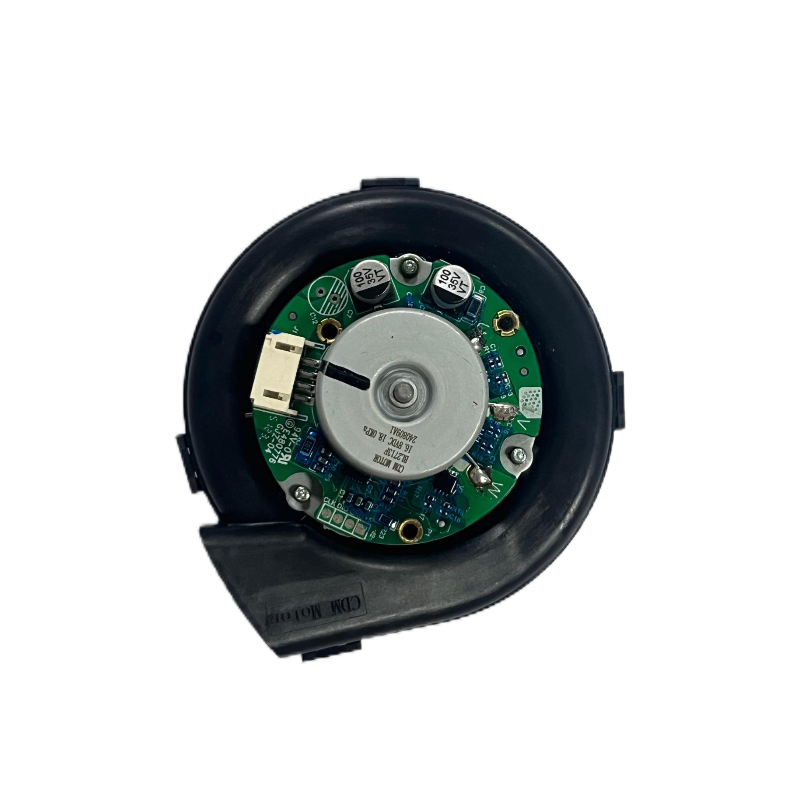
High-velocity suction motors are essential components in various applications, from home appliances to medical devices. Understanding the engineering behind a high-velocity suction motor is crucial for purchasing managers, product managers, and engineers who seek reliable, energy-efficient solutions. This article will guide you through the necessary considerations for selecting the right 12 volt dc fan motor, including specifications, quality control, installation, and cost factors that can impact your purchasing decisions.
How to Choose the Right High-Velocity Suction Motor for Your Needs?
Selecting the appropriate high-velocity suction motor begins with understanding your specific application requirements. Consider factors such as airflow rate, pressure, and efficiency. The airflow rate, measured in cubic feet per minute (CFM), dictates the motor's ability to handle various tasks, while pressure, often measured in inches of water column (WC), indicates the motor's suction capability.
It's also important to evaluate motor types, such as brushless DC (BLDC) and permanent magnet motors, which are known for their energy efficiency and longevity. When assessing a motor, ensure it aligns with your operational needs, whether for low-power home appliances or high-demand applications like robotics or medical devices. Additionally, consider the motor's size and weight to ensure compatibility with your existing systems.
Key Specifications to Evaluate in High-Velocity Suction Motors
When evaluating high-velocity suction motors, several key specifications should be prioritized:
-
Power Rating: The power rating, often expressed in watts, determines the motor's energy consumption and performance efficiency. A higher wattage typically provides greater suction but may also lead to increased energy costs.
-
Speed: The motor's RPM (revolutions per minute) affects its suction performance. Higher RPMs usually result in better airflow but may also generate more noise, a consideration for applications requiring quiet operation.
-
Noise Level: Measured in decibels (dB), the noise level is critical for applications in residential areas or medical facilities. Look for motors designed with noise reduction features.
-
Durability and Material: The construction materials affect the motor's lifespan and resistance to environmental factors. Motors made with high-quality materials, like aluminum or reinforced plastics, will perform better under stress and have longer operational life.
-
Efficiency Ratings: Look for motors that comply with energy-saving regulations. These ratings can often provide insight into the 12 volt dc electric motor operational costs over time.
Evaluating these specifications helps ensure that the chosen motor meets both performance and efficiency standards, which are crucial in today's eco-conscious market.
Understanding the Quality Control Processes for Suction Motors
Quality control processes are vital in the manufacturing of high-velocity suction motors to ensure reliability and performance. At CDM, for instance, the quality assurance system is integrated throughout the production process, starting from raw material selection to the final inspection.
-
Material Inspection: The first step involves verifying that all materials meet established standards. This ensures that the motor components are durable and suitable for their intended applications.
-
In-Process Testing: During production, motors undergo various tests, including performance evaluations at different stages. This testing identifies and rectifies issues early in the manufacturing process, reducing waste and ensuring consistency.
-
Final Inspection: Each motor is subjected to a final inspection before shipment. This includes checking operational parameters to ensure they meet the specified criteria.
-
Certification: Certifications such as ISO9001 and ISO14001 indicate compliance with international quality and environmental standards, ensuring that buyers can trust the performance and sustainability of the motors.
These quality control measures help mitigate the risk of defects and ensure that the motors perform reliably in their applications.
Installation Guidelines for High-Velocity Suction Motors
Proper installation of high-velocity suction motors is essential for optimal performance. Here are key guidelines to follow:
-
Mounting: Ensure that the motor is installed securely and aligned correctly with any connected systems. Misalignment can lead to increased wear and reduced performance.
-
Electrical Connections: Verify that all electrical connections comply with manufacturer specifications. Incorrect wiring can result in operational failures or safety hazards.
-
Airflow Path: Check that the airflow path is free from obstructions. A clear path is crucial for maintaining the desired suction levels.
-
Testing: After installation, conduct thorough testing to ensure the motor operates within its specified parameters. Monitor performance and listen for any unusual noises, which could indicate installation issues.
-
Maintenance Access: Design the installation with future maintenance in mind. Easily accessible motors will facilitate routine inspections and repairs, prolonging the motor's lifespan.
Following these guidelines can help prevent operational issues and ensure that the motor performs effectively in its intended application.
Cost Factors to Consider When Purchasing Suction Motors in Bulk
When purchasing high-velocity suction motors in bulk, several cost factors must be considered to ensure a smart investment:
-
Unit Cost vs. Total Cost: While the unit price is crucial, consider the total cost of ownership, including energy consumption and maintenance over time. A slightly higher initial investment in a more efficient motor can lead to significant savings in operating costs.
-
Minimum Order Quantities (MOQ): Suppliers often have MOQs, which can impact overall costs. Understanding the MOQ can help you plan your purchasing strategy to avoid unnecessary surplus.
-
Customization Costs: If your application requires specific features or customizations, factor in these potential costs. Custom motors may have longer lead times and higher prices, but they can provide performance benefits tailored to your needs.
-
Shipping and Handling: Consider shipping costs, especially for bulk orders. Negotiating shipping terms with suppliers can lead to savings.
-
Warranty and Support: Evaluate the warranty terms and post-purchase support offered by suppliers. A good warranty can save you costs on replacements and repairs.
By considering these factors, you can make informed decisions that align with your budget while ensuring you receive a quality product that meets your needs.
Understanding the engineering behind a high-velocity suction motor equips purchasing managers, engineers, and product managers with the knowledge to make informed decisions. By focusing on key specifications, quality control processes, installation guidelines, and cost factors, you can ensure that your choice of suction motor for vacuum cleaner enhances operational efficiency and meets the demands of your specific applications.
Table of Contents
- How to Choose the Right High-Velocity Suction Motor for Your Needs?
- Key Specifications to Evaluate in High-Velocity Suction Motors
- Understanding the Quality Control Processes for Suction Motors
- Installation Guidelines for High-Velocity Suction Motors
- Cost Factors to Consider When Purchasing Suction Motors in Bulk