 EN
EN
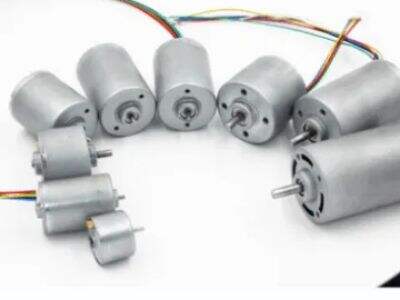
When sourcing a high-performance brushless DC (BLDC) motor, one must be aware of the hidden margin killers that can impact overall project costs and effectiveness. Buyers often face challenges such as selecting the right motor specifications, understanding cost factors, and ensuring efficient installation. This article aims to provide insights into these concerns, guiding you through choosing the right bldc motor, addressing common problems, unpacking cost considerations, offering installation guidance, and highlighting the applications of BLDC motors in modern manufacturing solutions.
How to Choose the Right BLDC Motor for Your Project Needs?
Selecting the appropriate BLDC motor begins with understanding your specific application requirements. Consider the following factors:
-
Performance Specifications: Assess the required torque, speed, and efficiency of the bldc electric motor based on the application. For example, a motor used in medical devices may need higher precision and reliability than one in a household appliance.
-
Size and Weight: Ensure the motor fits within the spatial constraints of your design. Compact designs may favor smaller motors, whereas larger applications could accommodate bigger units.
-
Power Supply Compatibility: Verify that the motor's voltage and current ratings align with your power supply. Mismatched specifications can lead to inefficiencies or even failure.
-
Control Mechanism: Depending on your system, consider whether you need a sensorless or sensored motor. Sensorless motors can simplify installation, while sensored motors may provide better performance in dynamic applications.
-
Customization Needs: If your project requires unique specifications, consult with the manufacturer about customization options, such as specific shaft configurations or housing materials.
Understanding these criteria will help you avoid costly missteps and ensure the selected motor aligns with your project goals.
Common Problems with BLDC Motors and Their Solutions
Despite their advantages, BLDC motors can present challenges. Here are some common issues and their solutions:
-
Overheating: If a motor operates outside its specified load range, it can overheat. To mitigate this, ensure adequate cooling and select a motor with a suitable thermal management system.
-
Electrical Noise: BLDC motors can generate electrical noise that interferes with nearby electronics. Using shielded cables and proper grounding techniques can reduce interference.
-
Control Complexity: If the motor control system is too complex, it may lead to difficulties in setup and maintenance. Simplifying the control strategy or selecting integrated drive solutions can streamline operations.
-
Mechanical Wear: Continuous operation can lead to mechanical wear on bearings and other components. Regular maintenance schedules and using high-quality materials can extend motor life.
Awareness of these potential problems allows buyers to implement preventative measures, ultimately protecting their investment.
Understanding the Cost Factors in High-Performance BLDC Motors
The total cost of a high-performance BLDC motor involves multiple factors beyond the initial purchase price. Key considerations include:
-
Material Quality: The choice of materials affects performance and longevity. For instance, using high-grade magnets or bearings can increase costs but may reduce maintenance needs and enhance efficiency.
-
Production Volume: Depending on your order quantity, pricing structures may vary. High minimum order quantities (MOQs) can lead to excess inventory costs if not managed properly.
-
Customization: Custom features, such as unique mounting configurations or specific electrical characteristics, can add to the cost. Clearly defining your needs upfront can help manage these expenses.
-
Testing and Quality Assurance: Thorough testing and quality control processes are essential for ensuring reliability. While this may add to upfront costs, it can prevent costly failures and enhance product performance in the long run.
Being aware of these factors enables buyers to accurately assess total costs and make informed purchasing decisions.
Installation Guidance for Efficient Use of BLDC Motors
Proper installation of BLDC motors is crucial for optimal performance. Consider the following guidelines:
-
Alignment: Ensure that the motor is properly aligned with the load to prevent undue stress on the shaft and bearings. Misalignment can lead to vibrations, increased wear, and decreased efficiency.
-
Wiring and Connections: Follow the manufacturer's recommendations for wiring to prevent short circuits and ensure proper functionality. Use quality connectors and verify that all connections are secure before operation.
-
Testing Before Use: Conduct a thorough testing phase before full-scale operation. This includes running the motor under load conditions to verify performance and identify any potential issues.
-
Documentation: Maintain detailed documentation of installation procedures, wiring diagrams, and maintenance schedules. This will facilitate troubleshooting and future maintenance.
By adhering to these installation practices, businesses can maximize the performance and reliability of their bldc dc motor.
Applications of BLDC Motors in Modern Manufacturing Solutions
BLDC motors are increasingly utilized across various industries due to their efficiency and versatility. Key applications include:
-
Home Appliances: In products like vacuum cleaners and washing machines, BLDC motors provide energy-efficient operation and quieter performance.
-
Medical Devices: Precision and reliability are critical in medical applications such as infusion pumps and robotic surgical tools, where BLDC motors excel.
-
Smart Homes: BLDC motors are integral to smart home devices, providing responsive automation for blinds, fans, and other systems.
-
Robotics: Their high efficiency and compact size make BLDC motors ideal for robotic applications, where weight and power consumption are crucial.
-
New Energy Vehicles: As the automotive industry shifts toward electrification, BLDC motors are at the forefront of electric vehicle design, providing efficient propulsion solutions.
Understanding these applications helps buyers identify potential uses for BLDC motors in their projects, ensuring they choose a solution that meets their operational needs.
By addressing these aspects of sourcing high-performance BLDC motors, buyers can navigate the complexities of the procurement process, avoiding common pitfalls while maximizing value in their manufacturing projects.