 EN
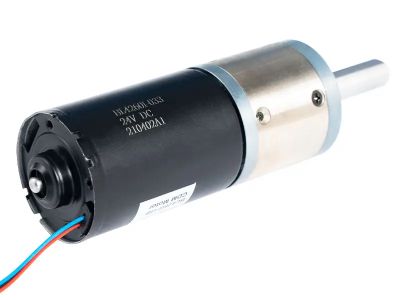
Understanding why an outdoor drone demands a powerful brushless Outrunner motor is crucial for engineers and purchasing managers involved in drone technology. The performance and efficiency of these drones depend heavily on the type of motor used. As outdoor drones face various environmental challenges, the selection of a robust motor becomes paramount. This article will explore key considerations in choosing a brushless Outrunner motor, essential specifications, quality evaluation, sourcing options, and common issues faced with drone motors
What to Look for When Choosing a Brushless Outrunner Motor for Drones
Selecting the right high power brushless motor Outrunner for outdoor drones involves several key factors. First, consider the motor's thrust-to-weight ratio, which directly impacts the drone's ability to lift payloads and maintain stable flight in windy conditions. A higher thrust ratio is often required for applications that demand agility or carry heavier equipment
Next, evaluate the motor's efficiency ratings. Efficient motors consume less energy, thereby extending the flight time, which is critical for outdoor applications where recharging options may be limited. Look for motors that are designed for extended operation while minimizing heat buildup, as excessive heat can lead to premature failure
Lastly, consider the motor's durability against environmental elements. Outdoor drones are exposed to moisture, dust, and varying temperatures. Motors with sealed designs and corrosion-resistant materials are preferable, ensuring longevity and reliable performance in challenging conditions
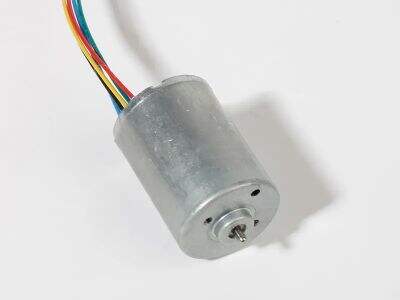
Key Specifications of Brushless Outrunner Motors for Outdoor Drones
When assessing brushless Outrunner motors, several specifications are vital
KV Rating: This denotes the motor's RPM per volt and influences speed and efficiency. A higher KV rating typically provides faster speeds but may sacrifice torque. Understanding the application will help determine the right balance
Current and Voltage Ratings: These specifications indicate the motor's operational limits. Ensure that the motor can handle the maximum current draw during peak operations without overheating
Torque: Measured in ounce-inches or Newton-meters, torque is essential for lifting and maneuvering. Analyze the torque curve to ensure it matches the drone's operational requirements
Weight: The motor's weight must align with the drone's overall weight capacity. A lightweight motor can enhance flight dynamics and battery efficiency
Connector Type: Compatibility with existing electronic speed controllers (ESC) is crucial. Verify that the motor connectors match your ESC to avoid connection issues
Understanding these specifications allows buyers to make informed decisions about the best motor for their specific drone applications
How to Evaluate the Quality of Brushless Motors for Drone Applications
Quality assessment of brushless dc motor manufacture Outrunner motors involves several steps. First, verify the manufacturer’s certifications, such as ISO9001 or IATF16949, which indicate adherence to quality management standards. Such certifications are critical in ensuring that the motors are produced under consistent quality control processes
Next, request sample motors for testing before placing bulk orders. Evaluate samples under actual operating conditions to check for performance, efficiency, and heat management. This practical testing will help identify potential issues that may not be apparent through specifications alone
Additionally, consider the manufacturer’s reputation and experience in the industry. Established companies typically have proven track records and robust after-sales support, which can be invaluable for troubleshooting and warranty claims
Lastly, ask about the motor's warranty and return policy. A reliable warranty reflects the manufacturer's confidence in their product quality and provides assurance for buyers against defects
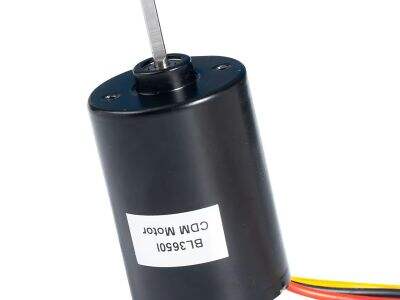
Where to Source Reliable Brushless Outrunner Motors for Bulk Orders
Finding a trustworthy supplier for brushless Outrunner motors involves researching manufacturers with a solid reputation in the industry. Start by reaching out to companies that have experience supplying motors to well-known clients, as this often indicates reliability and product quality
Consider engaging suppliers who also specialize in customized solutions. Customization can be key in meeting specific performance or environmental requirements for different drone applications
Trade shows and industry conferences provide opportunities to meet manufacturers and distributors face-to-face, allowing for better assessment of their offerings and capabilities. Online platforms and directories can also facilitate connections with various suppliers, but ensure to verify their legitimacy through reviews or references
Lastly, assess suppliers based on their capacity to handle bulk orders. Inquire about their manufacturing capabilities, lead times, and Minimum Order Quantities (MOQs) to ensure they can meet your production needs without compromising quality
Common Problems with Drone Motors and Effective Solutions to Consider
Despite advancements in motor technology, several common issues can arise with brushless dc motor supplier Outrunner motors in drone applications. One prevalent problem is overheating, particularly during extended flights or high-load scenarios. To mitigate this, ensure that the motor has adequate cooling mechanisms, such as ventilation or heat sinks, and consider using lower KV motors for greater torque and reduced heat generation
Another issue is vibration, which can affect stability and camera performance for drones equipped with imaging technology. To address vibration, use balanced props and ensure proper installation of the motor to minimize misalignment
Additionally, pay attention to the quality of electrical connections. Loose or corroded connections can lead to intermittent power loss, affecting motor performance. Regular maintenance checks and ensuring proper sealing against moisture will help maintain reliable connections
Lastly, sometimes, the problem may stem from the electronic speed controller (ESC) rather than the motor itself. Ensure that the ESC is compatible with the motor specifications and is capable of handling the peak current without failure
By understanding these common challenges and their solutions, buyers can make informed decisions and enhance the reliability and performance of their outdoor drones
Table of Contents
- What to Look for When Choosing a Brushless Outrunner Motor for Drones
- Key Specifications of Brushless Outrunner Motors for Outdoor Drones
- How to Evaluate the Quality of Brushless Motors for Drone Applications
- Where to Source Reliable Brushless Outrunner Motors for Bulk Orders
- Common Problems with Drone Motors and Effective Solutions to Consider