 EN
EN
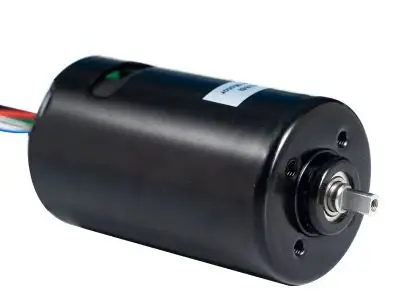
A precision brushless DC motor is an advanced type of electric motor that offers significant advantages over traditional motors, particularly when it comes to reducing maintenance costs. By leveraging the efficiency of brushless technology, these motors minimize wear and tear, extend operational life, and lower energy consumption key concerns for B2B buyers seeking to optimize their equipment and reduce long-term operational expenses. This article will explore the key specifications of precision brushless DC motors, factors to consider during selection, installation tips, common issues, and their diverse applications across various industries.
Key Specifications to Look for in Brushless DC Motors for Your Projects
When selecting a precision brushless DC motor, several specifications should be evaluated to ensure optimal performance and compatibility with your application. Key specifications include:
-
Voltage Rating: This determines the operating voltage range of the motor. Ensure that the voltage rating matches your application to prevent overheating or failure.
-
Current Rating: The maximum current the motor can handle is crucial for performance. Buyers should consider the load requirements and ensure the motor can sustain peak currents without going into thermal overload.
-
Speed and Torque: Different applications require specific speed and torque characteristics. Review the motor's speed-torque curves and select a motor that provides the necessary performance for your application.
-
Efficiency: Brushless dc motor are known for their high efficiency. Look for motors with efficiency ratings above 85% to ensure energy savings, thereby reducing operational costs.
-
Size and Weight: The physical dimensions and weight of the motor can impact installation and overall equipment design. Ensure that the motor fits within the allocated space of your equipment while meeting performance specifications.
Understanding these specifications helps buyers make informed decisions and reduces the likelihood of compatibility issues during installation.
What to Consider?
Beyond technical specifications, several factors should influence your selection of a precision brushless DC motor:
-
Application Requirements: Consider the specific requirements of your application, such as environmental conditions, load characteristics, and duty cycles. Motors used in harsh environments may require additional protective features.
-
Customization Options: If your application has unique requirements, inquire about the customization capabilities of the manufacturer. Customization can include specific dimensions, mounting options, or tailored performance characteristics.
-
Quality Certifications: Ensure that the manufacturer holds relevant quality certifications, such as ISO9001, ISO14001, or IATF16949, which demonstrate a commitment to maintaining high production and quality standards.
-
Supplier Reputation: Research the manufacturer’s reputation in the industry. Look for customer feedback and reviews to ensure they have a history of delivering reliable products and support.
By considering these factors, buyers can avoid common pitfalls and select a motor that aligns with their operational needs and quality expectations.
Installation Tips for Precision Brushless DC Motors in Your Equipment
Proper installation of precision brushless DC motors is crucial for optimal performance and longevity. Here are some essential tips:
-
Mounting Orientation: Ensure the motor is mounted in the correct orientation as specified by the manufacturer. Incorrect mounting can lead to misalignment, increased wear, and overheating.
-
Electrical Connections: Pay careful attention to electrical connections. Use appropriate wire gauges and connectors to prevent voltage drops and ensure reliable operation. Confirm polarity before connecting.
-
Cooling Requirements: While brushless motors generate less heat than their brushed counterparts, they still require adequate cooling. Ensure there's sufficient airflow around the motor, especially in high-performance applications.
-
Testing Before Use: Before fully integrating the motor into your system, conduct initial tests to check for proper operation. This includes testing speed, torque, and current draw to confirm that the motor functions within specified parameters.
Following these installation tips can help prevent common issues and enhance the operational efficiency of your brushless DC motor.
Common Problems with DC Motors and How to Solve Them
Even with high-quality brushless DC motors, issues may occasionally arise. Here are some common problems and their solutions:
-
Overheating: If the motor is overheating, check for proper ventilation and ensure that it is not overloaded. Reducing the load or providing additional cooling may be necessary.
-
Inconsistent Performance: Performance inconsistency can stem from poor electrical connections or insufficient power supply. Inspect wiring and connections, and verify that the voltage supplied matches the motor's specifications.
-
Noise and Vibration: Excessive noise or vibration may indicate mechanical misalignment or imbalance. Ensure that the motor is properly mounted and that the load is evenly distributed.
-
Control Issues: If you encounter issues with high torque dc motor control, verify that the controller is compatible with the motor and configured correctly. Check for firmware updates or calibration settings that may need adjustment.
By addressing these common issues proactively, you can minimize downtime and maintain operational efficiency.
Applications of Brushless DC Motors Across Various Industries
Precision brushless DC motors are versatile and find applications in numerous industries, including:
-
Home Appliances: Used in washing machines, refrigerators, and air conditioners, where efficiency and durability are key.
-
Medical Devices: Essential in devices like infusion pumps and ventilators, where precise control and reliability are critical.
-
Smart Home Devices: Powering smart thermostats, security cameras, and home automation systems, enabling seamless user experiences.
-
Robotics: Providing torque and speed control for robotic arms and autonomous vehicles, essential for precision tasks.
-
New Energy Vehicles: Used in electric vehicles for propulsion, where efficiency and minimal maintenance are crucial for performance and user satisfaction.
Understanding the diverse applications of brushless dc motor for vacuum cleaner helps buyers identify the right solutions for their specific industry needs optimizing performance while reducing maintenance costs. By focusing on the specifications, considerations, installation tips, potential problems, and applications of precision brushless DC motors, buyers can make informed decisions that lead to enhanced operational efficiency and significant maintenance cost reductions.